Guide
Can You Fuse HDPE Pipe From Different Brands or Grades? Compatibility, Melt Flow & the Rules (2026)
The standards never say "same brand." What they actually require is related polymer chemistry and a compatible melt flow — get those two right and a fused joint between two makers, or two grades, is sound.

Dr. Wei Liu, P.E.
Senior Engineering Manager · Primepoly
Published: Feb 14, 2026
Updated: Jun 8, 2026
14 min read
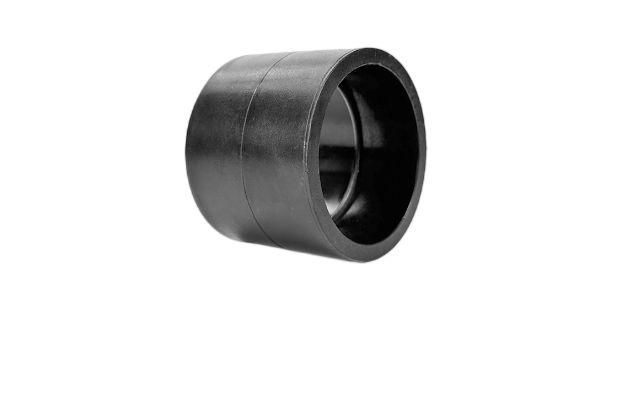
TL;DR
A technical guide to HDPE/PE fusion compatibility: whether you can butt-fuse pipe from different manufacturers and different grades (PE100, PE4710, PE80), what melt flow index (MFI/MFR) is and why it controls fusibility, the compatible-melt-flow rule in both the ASTM F2620/PPI TR-33 and ISO 21307 frameworks, the crucial difference between fusibility and pressure rating, why electrofusion is more tolerant, what fuses and what doesn't (PE-RT yes, PEX no), and a decision path.
"Can I fuse this pipe to that pipe if they're different brands?" is one of the most-asked questions on a job site — and the answer is more permissive, and more precise, than the rumours suggest. No fusion standard requires the same manufacturer. What they require is two things: related polymer chemistry (the same general material family) and melt flow rates within a compatible window. Meet both and a butt-fusion joint between two makers, or between PE100 and PE4710, is perfectly sound. This guide separates what's actually fusible from what isn't, and — just as important — separates fusibility from the pressure-rating question that trips people up.
The short answer: yes, with two conditions
Let's lead with the verdict, because the myth ("you can never fuse different brands") is so common. You can butt-fuse polyethylene pipe from different manufacturers, and across grades, as long as the materials share related polymer chemistry and their melt flow rates are compatible. ASTM F2620 says its parameters are "applicable only to joining polyethylene pipe and fittings of related polymer chemistry" — chemistry, not brand, is the gate. Manufacturers confirm it: WL Plastics, for instance, states its procedures are for "joining compatible polyethylene products from different compounds and manufacturers." The honest caveat is that this is allowed when materials are compatible, not an invitation to mix indiscriminately — verify, and use each maker's prescribed melt time.
What melt flow index (MFI/MFR) is — and why it controls fusion
The number that actually governs fusibility is the melt flow rate. MFI (melt flow index) or MFR (melt flow rate) is the grams of molten polymer pushed through a standard orifice in ten minutes under a set load at 190 °C — commonly with a 2.16 kg weight (some tests use 5 kg or 21.6 kg). It's an inverse proxy for melt viscosity and molecular weight: a higher MFI means a lower-viscosity, "runnier" melt. This matters because butt fusion needs both pipe ends to flow and form the double rollback bead under the same pressure — if one is much runnier than the other, the melt mixes unevenly and the weld is weak. So two pipes with very different melt flows are not reliably fusible even if both are "HDPE".
The compatible-melt-flow rule (ASTM and ISO)
Both the North-American and European frameworks say the same thing in different units — which confuses people, so the table lays them side by side. In North America, the generic ASTM F2620 / PPI TR-33 procedure applies when the materials meet ASTM D2513 and have a melt index between 0.05 and 0.25 g/10min (at 190 °C / 2.16 kg) — that band was the span of the resins validated when the generic procedure was developed. In Europe, ISO 21307 formalises compatibility through MFR groups (roughly 0.3–1.7 g/10min at 190 °C / 5 kg). The numbers look different only because the test loads differ (2.16 kg vs 5 kg); the principle is identical: same designation plus compatible melt flow.
| Framework / standard | Melt-flow metric & load | Compatible window |
|---|---|---|
| North America — ASTM F2620 / PPI TR-33 | Melt index (MI), 190 °C / 2.16 kg | 0.05–0.25 g/10min (the validated span) |
| Europe — ISO 21307 | Melt flow rate (MFR), 190 °C / 5 kg | Defined MFR groups (~0.3–1.7 g/10min) |
| The gate (both) | Same general designation + compatible melt flow | Brand is NOT a criterion; spec may add one |
Mixing grades: PE4710 ↔ PE100, and PE80 ↔ PE100
Grade-mixing is where the fusibility-versus-rating distinction becomes essential, and the table sorts it out. PE4710 and PE100 are both high-performance HDPE and fuse routinely (PE100 electrofusion couplers are fused to PE4710, PE3408 and more every day). PE80 and PE100 also fuse if their melt flows are compatible — but here's the catch that the table flags: in a pressure line, the assembly is rated to the lowest-rated component, so a PE80 fitting in a PE100 line de-rates the whole joint to PE80. That's a design and rating issue, not a fusion failure. The recurring lesson: "they fused fine" doesn't mean "the line is rated for what you assumed."
| Combination | Fusible? | Pressure-rating caveat |
|---|---|---|
| PE4710 ↔ PE100 | Yes — both high-performance HDPE | Compatible ratings; verify melt flow |
| PE100 ↔ PE80 | Yes, if melt flow compatible | Line rated to PE80 (the lower) — de-rates the section |
| PE-RT ↔ PE100 (HDPE) | Yes — PE-RT is heat-fusible | Confirm the temperature/pressure duty |
| PEX ↔ anything | No — cross-linked, won't melt/flow | Mechanical (crimp) joints only |
| Different brands, same designation | Yes — brand isn't the gate | Verify F2620/TR-33 applies; honor the spec |
Electrofusion vs butt fusion: which tolerates differences better?
If you must join pipes whose grades or melt flows differ at the edges of the window, electrofusion is the more forgiving method. In electrofusion the fitting's embedded heating coil controls the melt zone, so it can join different PE grades, densities and wall thicknesses more readily than butt fusion — as long as there's still melt-flow and density compatibility. Butt fusion, by contrast, relies on both pipe ends flowing equally under the same plate and pressure, so it's less tolerant of a mismatch. Electrofusion is not a free pass — the lowest-rated component still governs the pressure rating — but it widens the practical compatibility envelope.
PE-RT, PEX and CX-PE: what fuses and what doesn't
Two polyethylene cousins cause confusion. PE-RT (raised-temperature polyethylene) is heat-fusible and joins to PE/HDPE with the same butt, socket and electrofusion processes — it behaves like HDPE for jointing. PEX (cross-linked polyethylene) is the opposite: cross-linking makes it effectively a thermoset, so it won't melt and flow, and no fusion bond can form — PEX is joined mechanically (crimp or mechanical fittings), never fused. The one nuance for completeness: crosslinkable PE can be butt-fused only while it is less than ~30% crosslinked (ASTM F3507); once fully cross-linked as installed PEX, it is not fusible. So: PE-RT yes, PEX no.
Decision path: can I fuse these two pipes?
Put it together and most field questions resolve in a few steps — summarised in the path below. The golden rule throughout: when you're outside the validated window or can't confirm the other product, qualify the joint with test welds before production.
5 costly misconceptions
- "You can never fuse different brands" — false; the standards gate on related chemistry and compatible melt flow, not on the manufacturer's name.
- "PE80 and PE100 fuse fine, so I can freely mix them in a pressure main" — they fuse, but the line is rated to the lowest-rated component (PE80). A rating error, not a fusion error.
- "Same designation means I can ignore the melt flow" — a melt-flow mismatch outside the window gives a cold, weak weld; check the MFR.
- "Skip qualifying the joint when mixing grades or makers" — the standards expect procedure qualification (test joints) outside validated conditions.
- "PEX and PE-RT are both polyethylene, so both fuse" — PE-RT fuses; PEX does not (cross-linked). Confusing them is dangerous.
Glossary
- Melt flow index / rate (MFI / MFR)
- Grams of molten PE extruded in 10 min under a set load at 190 °C — an inverse proxy for melt viscosity; the key compatibility variable for fusion.
- Related polymer chemistry
- The compatibility gate in ASTM F2620 — the materials must be the same general PE family; the standard says nothing about brand.
- Compatible melt-flow window
- ASTM F2620 / PPI TR-33: melt index 0.05–0.25 g/10min (2.16 kg); ISO 21307: MFR groups (~0.3–1.7 g/10min at 5 kg) — same idea, different test load.
- Lowest-rated-component rule
- A fused assembly (or line) is pressure-rated to the lowest-rated material in it — why mixing PE80 into PE100 de-rates the section.
- PE-RT vs PEX
- PE-RT (raised-temperature PE) is heat-fusible to HDPE; PEX (cross-linked PE) is not fusible and is joined mechanically.
- Joint qualification
- Making and destructively testing (bend-back / tensile) sample joints to prove a procedure when outside validated conditions or mixing makers/grades.
References & standards
- [1]Plastics Pipe Institute (PPI) — TN-66 — development & evolution of TR-33 (the generic butt-fusion procedure)
- [2]Plastics Pipe Institute (PPI) — TR-33 — generic butt fusion joining procedure (melt-index window)
- [3]ASTM International — F2620 — heat fusion joining of PE pipe & fittings (related polymer chemistry)
- [4]PE100+ Association — Can different grades of PE be connected to each other?
- [5]WL Plastics — WL101 field procedures — fusing across compounds & manufacturers
- [6]ISO — ISO 21307 — butt fusion jointing procedures for PE (MFR groups)
- [7]ASTM International — F3507 — butt fusion of crosslinkable PE (the PEX / PE-RT boundary)
Frequently asked questions
Need expert advice on your project?
Our engineering team helps utilities, contractors and EPCs specify the right pipe material and SDR for their project. Get a no-obligation technical consultation.
Talk to an engineerRead next
13 min read
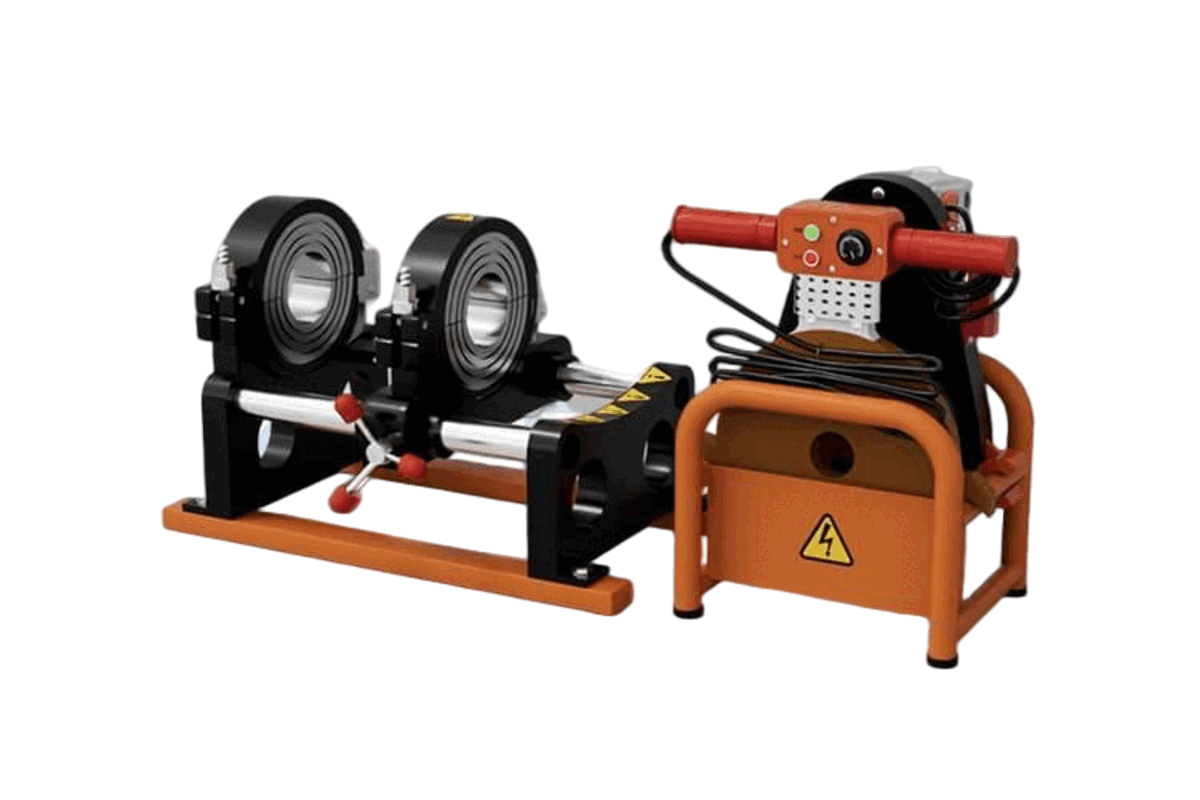
HDPE Butt Fusion Parameters & Procedure: The DVS 2207 / ISO 21307 / ASTM F2620 Guide (2026)
13 min read
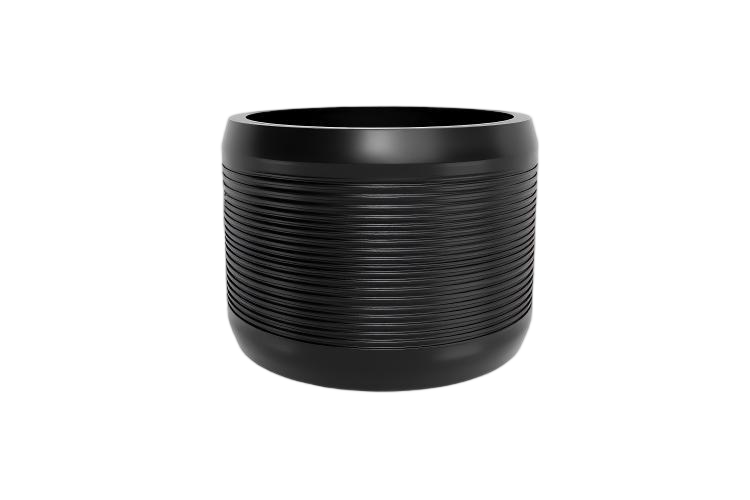
Electrofusion Welding: Procedure & Parameters for HDPE/PE Pipe (2026)
10 min read
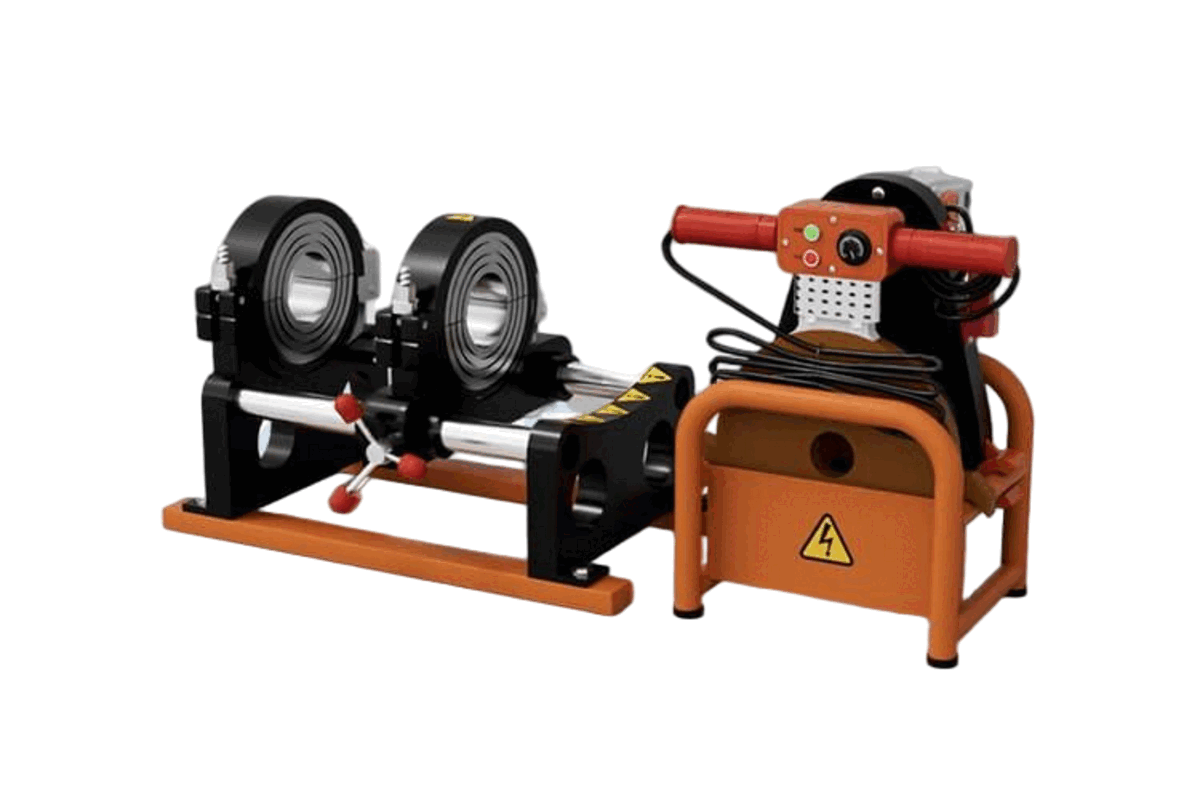
Butt Fusion vs Electrofusion: Choosing the Right HDPE Joining Method
13 min read
HDPE Pipe Grades Explained: PE80 vs PE100 vs PE4710 (and PE100-RC) (2026)
14 min read
HDPE Fusion Quality Assurance: Operator Qualification, Procedure Qualification & Joint Records (2026)
Explore further
Related applications, material comparisons and country buying guides selected for this topic.